
How Arrest Warrants Work in Isle of Wight County
In Isle of Wight County, an arrest warrant is not the first paper in the file. Someone must file a written complaint, and a magistrate then reviews the facts for probable cause. The applicant supplies the details. The magistrate decides whether process should issue at all. For a felony, Virginia law demands the complaint be in writing. Under Virginia Code §19.2-72, an authorized magistrate or judicial officer examines the complaint and any witnesses. Depending on the offense and circumstances, the magistrate may issue a summons instead of an arrest warrant, ordering the person to appear rather than face immediate custody. The Sheriff notes that the magistrate’s office reviews complaints from law enforcement and citizens alike. A public case search may later show pieces of the case, but the court file and the service record sit with different offices. The file, not any general list, identifies the issuing authority, the charge, and the next appearance. Ask the clerk which docket controls once a case opens. A felony indictment later uses Circuit Court capias process under §19.2-232.
The Isle of Wight Magistrate Route
The magistrate office the Sheriff names is not on the courthouse campus. It sits inside Western Tidewater Regional Jail in Suffolk. The Sheriff lists the office at 2402 Godwin Boulevard and gives 757-514-4300 for magistrate contact. Video conferencing matters here. The Sheriff’s FAQ says the Sheriff and both town police departments can use video so a citizen can speak with a magistrate directly. A person reporting an offense in Isle of Wight County should start with central dispatch, which routes the matter to the Sheriff or a town police agency. The magistrate then decides whether probable cause supports process. A police contact alone is not a court status check. The Sheriff FAQ describes the local magistrate and probable-cause process in full.
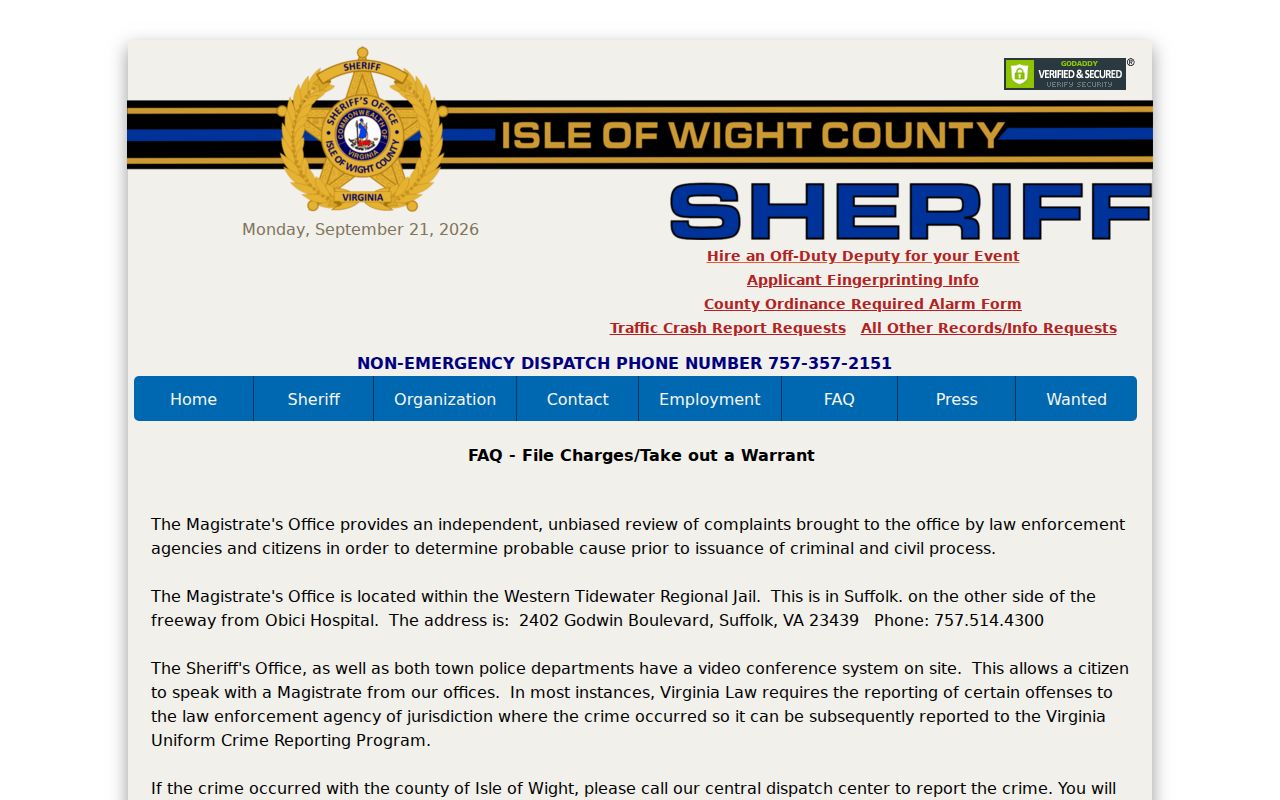
Use the Sheriff’s current directions to identify the correct magistrate route.
Arrest Warrants: What They Contain
The Isle of Wight County Sheriff publishes no field-by-field warrant list, and the local warrant-number format is not public. So treat any list of fields as questions for the clerk. Ask what the file holds rather than assume every field is visible online.
| Process number | Ask the issuing clerk; no local format is published. |
|---|---|
| Case and court | Case number and Circuit, General District, or J&DR court. |
| Charge | Offense name and statutory citation, if publicly releasable. |
| Issuing authority | Magistrate, judge, or court that issued the process. |
| Bond and conditions | Amount and release terms set for the specific case. |
| Service and return | Serving agency, execution status, and next court date. |
Virginia law sets the complaint and probable-cause rule for an arrest warrant.
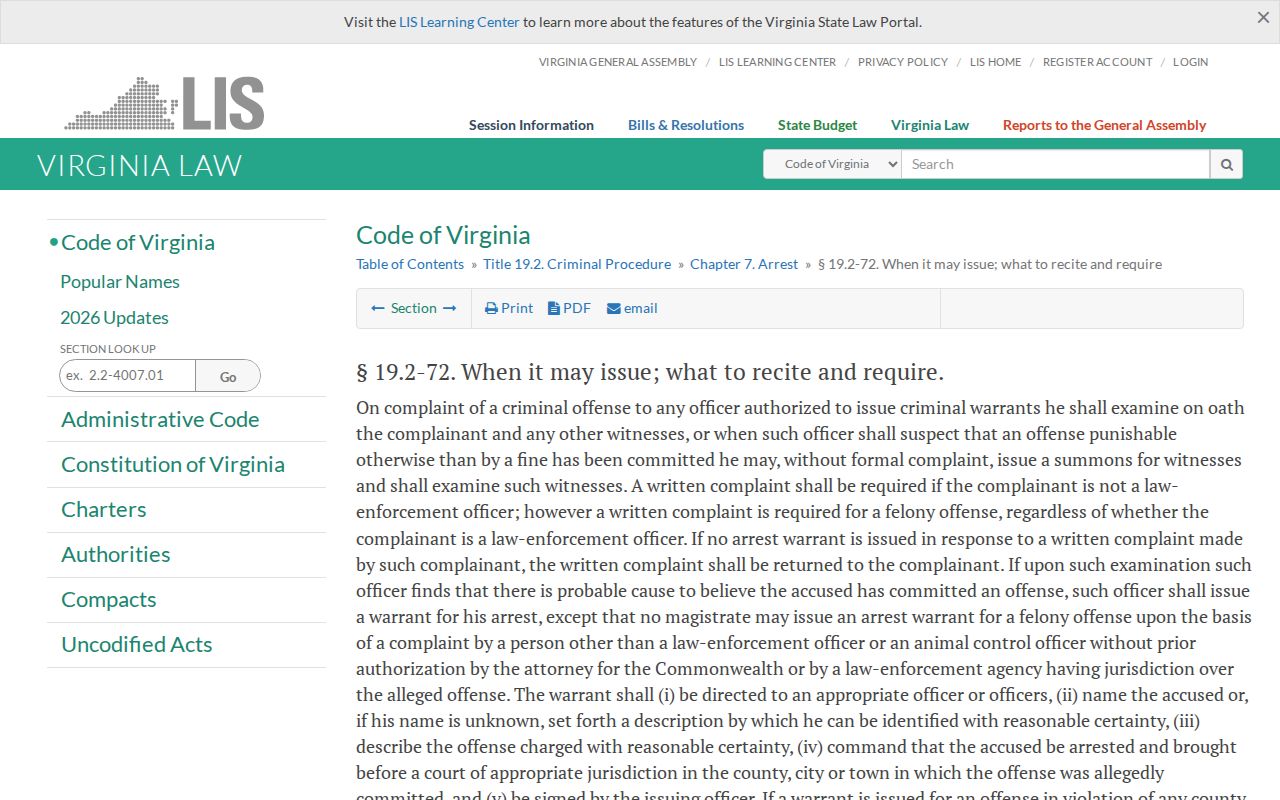
The statute supports the issuance process, while the clerk confirms the actual docket.
Felony Complaints Have an Extra Review Step
Felony complaints in Isle of Wight County take an extra step. Virginia law requires the complaint in writing. When a citizen brings a felony complaint, the magistrate cannot issue an arrest warrant without prior authorization from the Commonwealth’s Attorney or the jurisdictional law-enforcement agency. That requirement explains why a complaint, an affidavit, and a warrant are separate records. A search-warrant affidavit follows a different rule under §19.2-52. Do not confuse it with an arrest warrant. Sealed or investigative material may be restricted. The clerk or counsel can explain what is public in a given case.
How Warrants Get Served in Isle of Wight County
Who serves a warrant depends on where the case began and where service is assigned. In Isle of Wight County, the Sheriff is the main county service agency. Smithfield and Windsor police cover law enforcement inside their town limits. Virginia State Police or another authorized officer may also execute a state warrant within the officer’s jurisdiction under §19.2-76. The Sheriff’s wanted program says town wanted persons are not included unless later papers are assigned to the Sheriff. Check with the agency named by the court or clerk. The issuing court keeps the case file and controls recall, bond, and appearance instructions. After an arrest, the person is booked and brought before a judicial officer for release or bail consideration. The Sheriff says most people who surrender can be processed and bonded at the Sheriff’s Office. If bond cannot be set or paid right away, transfer may be made to Western Tidewater Regional Jail.
Isle of Wight Agencies Have Different Roles
Each Isle of Wight County office answers a different question. The magistrate considers the application and the initial bail decision. The clerk maintains the court docket. The Sheriff or town police execute assigned process. Western Tidewater Regional Jail handles custody after transfer, but it does not decide whether a court warrant was recalled. Keeping those roles straight sends your question to the office that can actually answer it. The Sheriff’s Office serves county process, secures the courthouse, and runs a county surrender channel. Smithfield Police keeps an independent list and a phone verification route. Windsor Police provides administrative and dispatch contacts but posts no public warrant portal. Neither town department replaces the clerk who controls the court file. For the underlying case, use the court by case type: Circuit for felony indictment, GDC for traffic or misdemeanor, and J&DR for family or juvenile matters. For county service or surrender, call the Sheriff. Those are related but separate questions.
Arrest Warrants, Summonses, and Bench Warrants
Three kinds of process, three different tools. An arrest warrant follows probable cause and authorizes custody. A summons orders a person to appear without the same arrest mechanism. In Isle of Wight County, a bench warrant is court process tied to a missed obligation or order. The docket term tells you whether to call the magistrate, the clerk, or a lawyer first.
| Feature | Arrest Warrant | Summons | Bench Warrant |
|---|---|---|---|
| Purpose | Authorizes arrest after probable-cause review | Directs attendance at a court date | Enforces a missed court obligation |
| Basis | Complaint and probable cause | Charge or scheduled proceeding | Failure to appear or comply |
| Issuer | Magistrate or authorized judicial officer | Court or authorized officer | Judge or judicial officer in the case |
| Next question | Ask counsel or court about bond and appearance | Confirm the date and court location | Ask about recall, new date, or show cause |
Federal Warrants Use EDVA Channels
A federal warrant is separate from an Isle of Wight state case. The Eastern District of Virginia and U.S. Marshals handle federal process; a county clerk or Sheriff cannot recall it. PACER can show some federal docket material, but it is not a public warrant roster and sealed docket information may not appear.
The Norfolk division page lists courthouse access details. The PACER fee page explains account and docket-search charges. For a federal status question, contact federal counsel or the issuing court.
The EDVA page shows the federal courthouse access route.
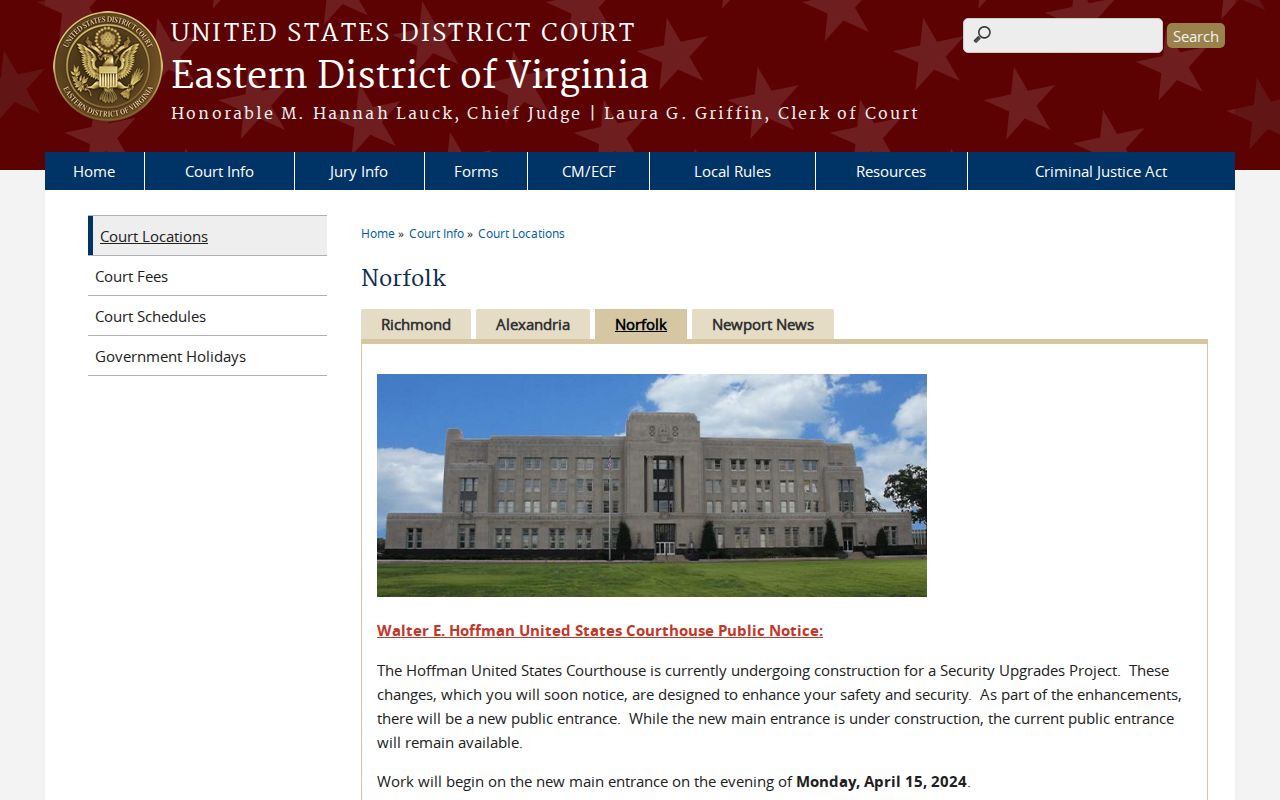
Federal courts sit apart from Isle of Wight County warrant records. PACER is a docket tool, not a federal warrant search.
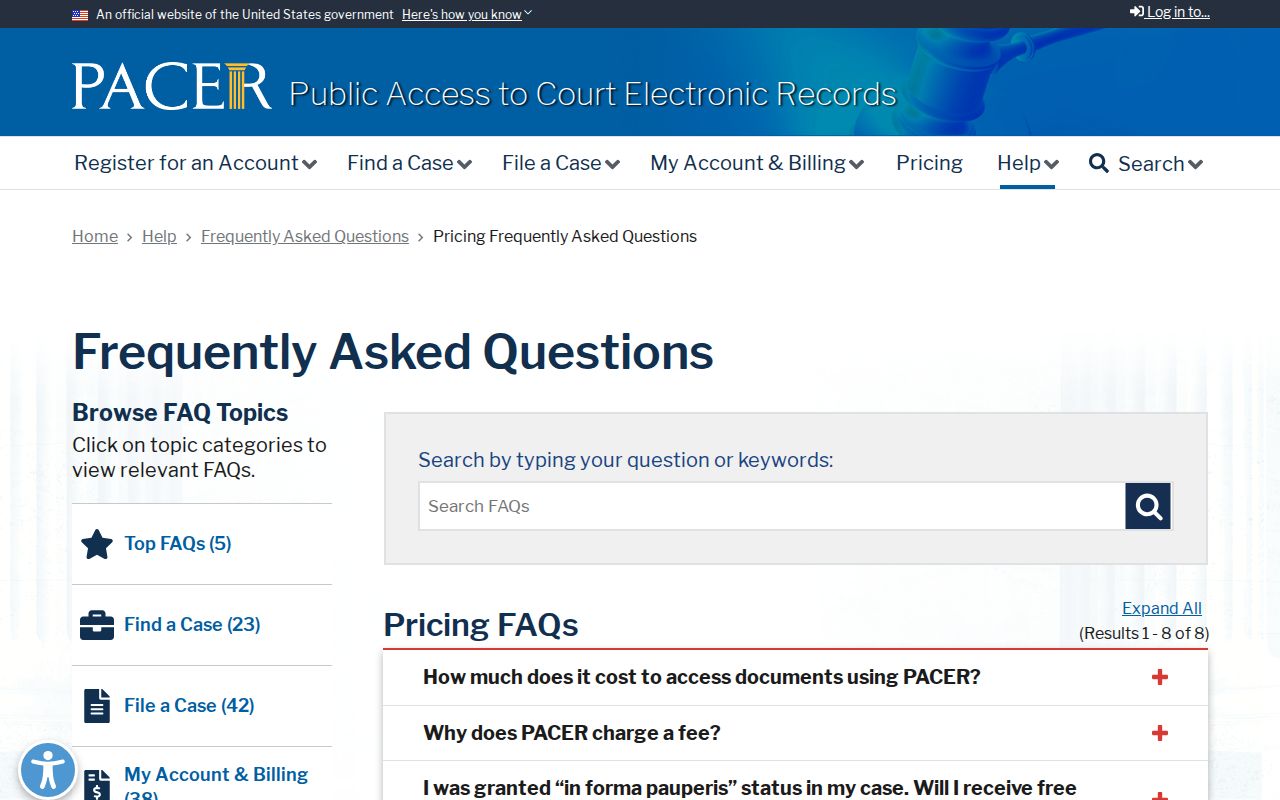
A federal docket result still requires confirmation with the federal court.
Handling an Arrest Warrant in Your Name
Confirm which court issued the warrant, and ask a lawyer about a motion, bond, or an arranged surrender before you walk into an office. The Sheriff's official page allows self-surrender at the Sheriff's Office. In most cases, processing and bond happen there. It publishes no release guarantee. The page lists no exact surrender hours, accepted payment methods, or ID list. Bond problems change the picture. The Sheriff says transfer may go to Western Tidewater Regional Jail when bond cannot be set or paid right away. The jail serves Isle of Wight County, but it does not own the court docket. Call the issuing clerk after any appearance or payment. Get proof of the court action, and use the jail's public page for its regional role and contact.
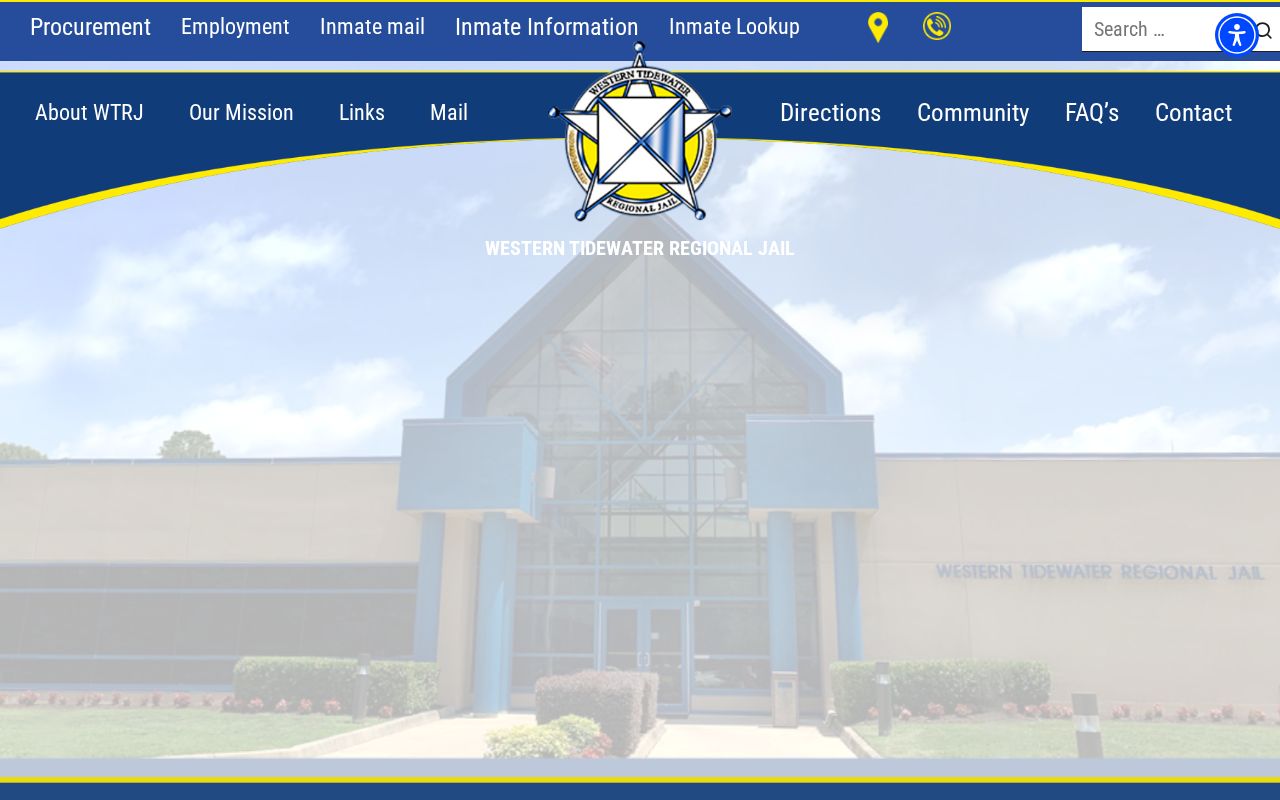
Use WTRJ for custody or transfer questions, not as a warrant-status database.
Important: Before surrendering, confirm the issuing court and ask counsel or the Sheriff where processing and any bond decision will occur.
After Magistrate Review, Follow the Court File
A magistrate's probable-cause decision and the later court docket are related records, but they are not the same thing. A magistrate may issue one after a written complaint. The case then proceeds through the court with authority over the charge. The public case tool may show entered events. It will not show every service step. The clerk can identify the file and explain what the docket reflects. An Isle of Wight County case starts with court type. Ask about the next appearance and any bond order. Ask too about the current process. The Sheriff can answer a service or surrender question when the agency holds the warrant. A federal case changes things. The county court and the Sheriff cannot touch federal process, so contact the federal court or counsel.